



Tasting Notes
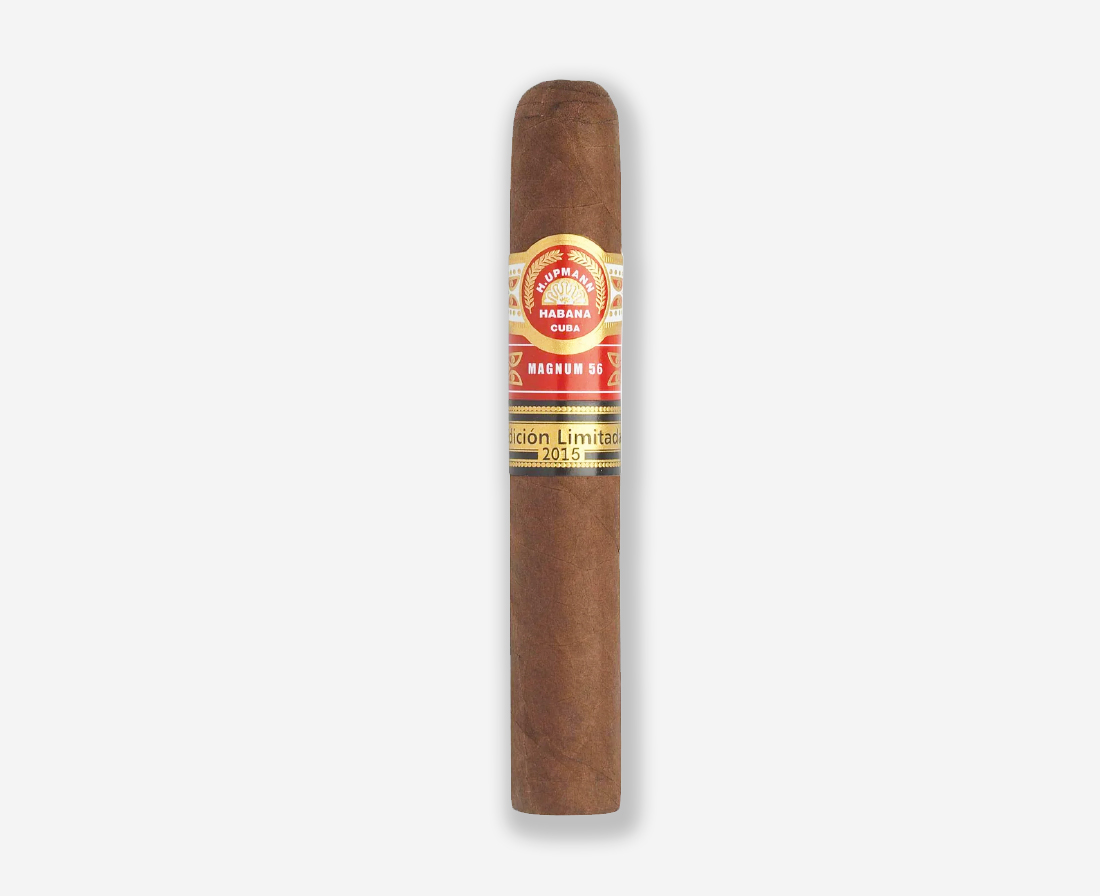
The H. Upmann Magnum 56 Edición Limitada 2015 represents an exceptional expression of Cuban cigar craftsmanship, combining the brand’s celebrated elegance with remarkable richness, complexity, and depth. Handcrafted from carefully selected Cuban tobaccos, this prestigious limited edition delivers a luxurious, beautifully balanced smoking experience, distinguished by its creamy texture, aromatic intensity, and sophisticated evolution of flavors.
Strength: Medium to Full
Flavor Profile: Aromatic Cedar, Dark Chocolate, Roasted Coffee, Toasted Almonds, Leather, Caramel, Vanilla, White Pepper, Warm Spice
Finish: Long, creamy, richly layered, and elegantly balanced.
The opening reveals elegant notes of aromatic cedar, sweet earth, and toasted almonds, complemented by delicate hints of white pepper and vanilla. As the cigar develops, layers of roasted coffee, dark cocoa, supple leather, and toasted hazelnuts emerge, enriched by subtle nuances of caramel, floral sweetness, and warm baking spices. The final third intensifies gracefully, introducing deeper notes of espresso, dark chocolate, seasoned oak, and earthy tobacco, culminating in a long, velvety finish with lingering impressions of roasted nuts, sweet spice, and refined woody richness.
 Vitola de Galera: Magnum 56
Ring Gauge: 56 (22.23 mm)
Length: 150 mm (5 7/8″)
Box Count: 25
Manufacture: Handmade
Origin: Cuba
Introduced in 2015 as part of Habanos S.A.’s prestigious Edición Limitada collection, the Magnum 56 features an impressive Double Robusto vitola measuring 150 mm in length with a substantial 56-ring gauge. Presented in traditional slide-lid wooden cabinets containing 25 cigars, this exceptional release combines the distinctive refinement of H. Upmann with the richness of specially aged tobaccos, standing as a distinguished testament to the brand’s enduring heritage and exceptional Cuban craftsmanship.
Story of the Brand
Herman Upmann was the name of a banker. A fanatical cigar enthusiast, in 1840, he offered to open a branch of his family-owned bank in Havana, Cuba. Four years later in 1844, Herman invested in a cigar factory, and from then until 1922, the company traded as both a bank and a cigar business. The success of the family’s operations on the island culminated with increasing political influence. With the advent of World War I, it was revealed that Herman and his brother Albert had used their businesses to house a covert German intelligence network suspected of arming opposition leader general Jose Miguel Gomez in an attempted coup following the 1916 Cuban elections. Subsequently the cigar manufacturer had become bankrupt and the family bank closed, amidst anti-German sentiment, prompting a new chapter for the temporarily disgraced H. Upmann brand.
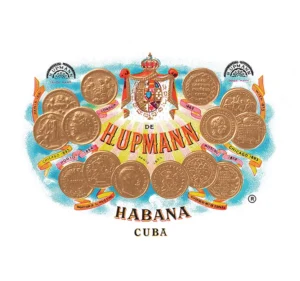
Following a tumultuous series of acquisitions in the following years, the large H. Upmann factory was sold to the famed Menendez cigar dynasty, responsible for the newly established Montecristo brand in 1935. The complete overhaul of operations by the Menendez family swiftly resuscitated the brand. The new H. Upmann factory still at its present day 405 Amistad Street location, became the largest exporting manufacturer in Cuba, by the time of the Cuban revolution. Since 1844, H. Upmann has become a staple cigar brand in the arsenal of premium Cubans. This longstanding legacy is proudly displayed on the brand’s unmistakable lithography adorned with eleven gold medals, all earned from international exhibitions dating to the 19th century. H. Upmann cigars offer a smooth, subtle, mild to medium smoke. These cigars are great for beginners, but appeal to the day-time tastes of seasoned aficionados. Their larger sizes are among the most rare and sought-after cigars in the world.